

Discover the most common mistakes students make when using AI essay humanization services and learn practical strategies to protect your grades and academic standing.
Common Pitfalls in Ordering AI Essay Humanization Services and How to Avoid Them
Why Students Look for Essay Humanization Services in the First Place
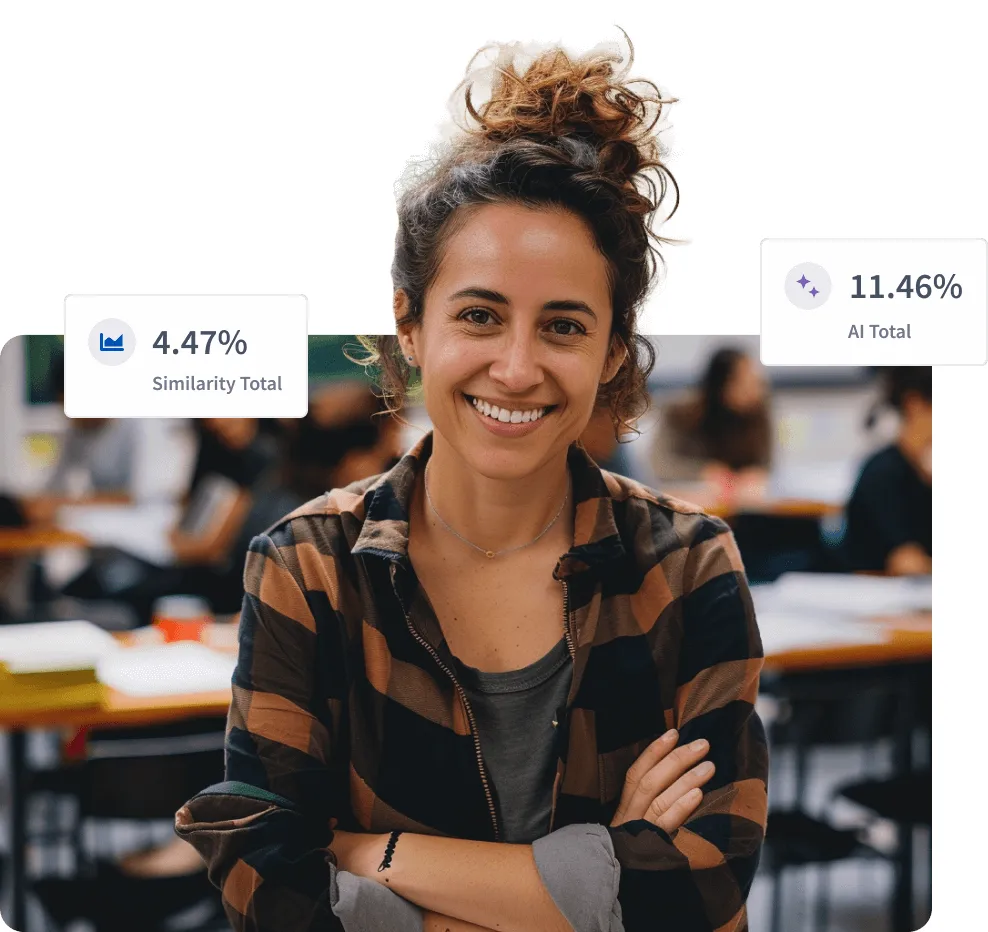
If you have ever run your paper through a Turnitin check and watched the AI detection percentage climb higher than you expected, you know the feeling. Your heart sinks. You wrote the draft yourself, maybe used ChatGPT to brainstorm, or perhaps you cleaned up some grammar. Now the Turnitin AI detection tool flags your work as machine-generated, and your grade hangs in the balance.
This scenario plays out daily in classrooms around the world. Students turn to an essay humanization service because they need help making their writing sound natural again. Some want to bypass AI essay detectors after a false positive. Others need to humanize AI essay content that formed part of their drafting process. The motivation is almost always the same: you want your work evaluated on its merits, not rejected because an algorithm misread your writing style.
The problem is that not every service selling undetectable AI essay solutions operates with your best interests in mind. Some deliver garbage. Some take your money and disappear. Others put your academic standing at serious risk. Before you hand over your paper and your credit card details, you need to understand what can go wrong.
Pitfall 1: Believing Guarantees That Sound Too Good to Be True
Any service promising a 100% guaranteed way to beat Turnitin AI detection every single time is lying to you. No humanization method works perfectly across all detectors, all the time. Turnitin updates its models constantly. In August 2025, Turnitin announced enhanced capabilities specifically designed to identify text modified by AI bypasser tools. The company now flags content that has been run through humanizers as potentially AI-paraphrased.
Services that advertise impossible success rates rely on desperation. They know students panic when facing a deadline and a high AI score. They exploit that fear with flashy claims about foolproof results. Real humanization improves your odds significantly, but anyone promising absolute invisibility is selling fiction.
How to Avoid This Trap
Look for services that explain their methods honestly. A credible provider will tell you that humanization reduces detection probability by restructuring sentences, varying vocabulary, and introducing natural stylistic variation. They will not promise zero percent AI scores on every Turnitin scan. Transparency beats bravado every time.
Pitfall 2: Choosing Price Over Quality
Students operate on tight budgets. The temptation to pick the cheapest option is real. But rock-bottom pricing often means corners get cut. Cheap services frequently use automated spinning tools that swap synonyms and jumble sentence order. The result reads like a bad translation. Your professor will notice, and modern detectors like Turnitin for students will still flag the output.
Worse, some budget services outsource your paper to writers who lack subject knowledge. A physics essay gets handled by someone whose expertise tops out at high school English. The technical terminology gets mangled. Arguments lose coherence. You end up submitting something worse than what you started with.
How to Avoid This Trap
View humanization as an investment, not a commodity. Compare several services at mid-range price points. Read samples if available. Check whether the service assigns writers with actual academic backgrounds. Spending a few extra dollars for quality work costs far less than retaking a course or facing an academic integrity hearing.
Pitfall 3: Ignoring the Academic Integrity Policy at Your Institution
Every university handles AI writing differently. Some permit AI assistance with proper disclosure. Others ban it entirely. Many fall somewhere in between, allowing brainstorming and grammar help but prohibiting full draft generation.
When you order a humanize AI essay service without understanding your school’s policy, you gamble blind. If your institution prohibits any AI-generated content, and you submit a paper that was partially written by ChatGPT before humanization, you violate policy regardless of how polished the final version looks.
How to Avoid This Trap
Read your institution’s AI policy before engaging any service. Know exactly what is permitted and what crosses the line. If AI use is allowed with disclosure, document your process. Save drafts, outlines, and notes. Build a paper trail that demonstrates your intellectual contribution. Services like those offered at bypassessaydetectors.com work best when you understand the rules you are operating within.
Pitfall 4: Relying Solely on Automated Tools
Many services advertising AI detection remover capabilities rely entirely on software. They run your text through an algorithm and hand it back. No human reads it. No expert verifies whether the meaning survived intact.
Automated humanizers have real limitations. They can introduce grammatical errors while trying to sound casual. They sometimes remove technical precision that your assignment requires. They flatten nuance. A paper on philosophical ethics comes out reading like a generic blog post because the tool stripped away the scholarly language your professor expects to see.
How to Avoid This Trap
Prioritize services that combine technology with human expertise. The best providers use software for initial processing but have real editors review and refine the output. Ask before you buy. If a service cannot confirm that a human expert reviews your paper, keep looking.
Pitfall 5: Providing Personal Information Carelessly
When you order an essay humanization service, you typically submit your paper, your email, and payment details. Some sketchy providers collect far more. They might ask for your university name, your student ID, or even your professor’s name. This information creates vulnerabilities.
In 2022, the UK made essay mills illegal after reports surfaced of students being extorted by cheating services. Criminal operations threatened to expose clients to their universities unless they paid additional fees. While most AI humanizers operate differently from traditional essay mills, the risk of data misuse remains real.
How to Avoid This Trap
Never provide your student ID, university login credentials, or any identifying academic information to a humanization service. Use a secure payment method that offers buyer protection. Check the website’s privacy policy. If they cannot clearly explain how they protect your data, walk away.
Pitfall 6: Expecting Humanization to Fix a Bad Paper
AI humanization changes how your writing sounds. It does not fix weak arguments, unsupported claims, or factual errors. If your original draft contains ChatGPT hallucinations, invented citations, or logical gaps, humanization will not solve those problems. The paper will read more naturally while still being wrong.
Students sometimes think paying for humanization is a shortcut to a good grade. It is not. The underlying content still needs to meet academic standards.
How to Avoid This Trap
Review your paper thoroughly before submitting it for humanization. Verify every citation. Check every statistic. Strengthen your thesis and your supporting arguments. Think of humanization as the final polish, not the foundation. If you need help with research and argumentation, seek tutoring or writing center support first.
Pitfall 7: Not Checking the Final Product Yourself
Even the best services produce occasional errors. A sentence might lose its original meaning during restructuring. A technical term might get replaced with an imprecise synonym. A reference to your specific course material might disappear. If you submit the humanized version without reviewing it, these errors become yours.
Professors notice when a paper shifts voice dramatically mid-paragraph. They notice when terminology suddenly becomes inconsistent. They notice when your writing style in this paper looks nothing like your writing style in previous assignments.
How to Avoid This Trap
Always read the humanized version carefully before submitting. Compare it against your original. Check that key arguments and evidence survived intact. Verify that the tone sounds like something you could plausibly have written. Run it through a Turnitin scan yourself if you have access, or use available preview tools to check both AI detection and similarity scores.
Pitfall 8: Missing the Bigger Picture About Learning
The ultimate goal of education is not just completing assignments. It is building skills you will use throughout your career. If you rely on humanization services for every paper, you miss opportunities to develop your own writing voice. You miss the practice that makes you a stronger communicator.
Using a service occasionally when facing a false positive or tight deadline is one thing. Using it habitually because you never learned to write well is another. The latter approach leaves you unprepared for jobs, graduate school, or any situation where you must produce original written work under pressure.
How to Avoid This Trap
Use humanization services strategically, not chronically. Between assignments, invest time in improving your own writing. Most universities offer free writing support. Online resources from reputable academic institutions can help you understand how to structure arguments, integrate sources, and develop a personal scholarly voice. The better you become at writing, the less you will need external help.
Understanding How Turnitin Actually Works
To make smart decisions about humanization, it helps to understand what you are up against. Turnitin analyzes submissions in segments, scoring each sentence for linguistic patterns associated with AI-generated text. It looks for structural consistency, predictable vocabulary choices, and uniform sentence lengths that characterize machine output.
The system reports an overall AI percentage, with highlighted sections showing where the model detected likely AI content. Scores between 0 and 20 percent come with an asterisk noting higher false positive rates in that range. Scores above 20 percent indicate more confident detection.
Official Turnitin Documentation:
For a comprehensive understanding of how Turnitin evaluates AI-generated content and the latest updates to their detection model, refer to the official support guides:
.AI writing detection model release notes and technical documentation
What to Look for in a Reliable Humanization Service
Not all services are created equal. Here are markers of providers worth trusting:
• Clear explanations of methodology. They tell you how they work without revealing proprietary secrets. They explain the balance between automated processing and human review.
• Realistic outcomes. They acknowledge the evolving nature of AI detection and set appropriate expectations rather than making impossible guarantees.
• Revision policies. They offer edits if the initial output does not meet your needs or if something went wrong.
• Confidentiality protections. They have clear privacy policies and do not request unnecessary personal information.
• Quality samples. They can show you before-and-after examples demonstrating their actual capability.
• Responsive support. They answer questions before you purchase, not just after they have your money.
FAQ
Can a humanization service guarantee my paper will pass every AI detector?
No honest service can guarantee that. Detection technology evolves constantly. A quality service will significantly reduce your AI detection probability, but absolute guarantees across all platforms are not realistic.
Is using an essay humanization service considered cheating?
It depends on your institution’s policies and how you use the service. If your school permits AI assistance with disclosure, and you use humanization to refine your own work transparently, it typically falls within acceptable bounds. If your institution prohibits any AI involvement, using these services violates policy. Always check your specific academic integrity guidelines first.
How can I tell if a humanization service uses real human editors?
Ask directly. Reputable services will clearly state their process. Look for details about their editorial team, qualifications, and review procedures. Be skeptical of services that process papers in under ten minutes with no mention of human oversight.
Will my professor know I used a humanization service?
Probably not, if you choose a quality provider and review the output carefully. However, professors who know your writing style may notice dramatic shifts in voice or sophistication. The best protection is submitting work that sounds like you, which means selecting a service that preserves your personal expression rather than replacing it entirely.
What should I do if Turnitin still flags my paper after humanization?
First, do not panic. False positives happen, especially for non-native English speakers and for writing that follows conventional academic formats. Gather your drafts, outlines, and any notes that show your writing process. Contact your professor and explain your situation honestly. Many instructors understand that detection tools are imperfect and will consider your evidence before making any judgment.
Are there free alternatives to paid humanization services?
Yes, though they require more effort. Manual paraphrasing, varying your sentence structure, adding personal examples and course-specific references, and breaking up formulaic transitions can all reduce AI detection scores. The trade-off is time. Paid services exist because doing this well manually takes hours that students often do not have.
Can humanization services help with detectors other than Turnitin?
Yes. Quality services optimize for multiple detection platforms including GPTZero, Originality.ai, ZeroGPT, and others. Different detectors use different algorithms, so effective humanization targets the common patterns they all identify rather than gaming one specific system.
Beat Plagiarism & AI Detectors with Confidence
Worried about plagiarism scores or AI detection flags? Get Plagiarism reports, expert humanization, and original papers written from scratch — all in one place and before your deadline.
100% Confidential • Turnaround as fast as 3 hours • Money-back guarantee