

Turnitin Plagiarism Checker USA: Check Similarity Reports with Confidence
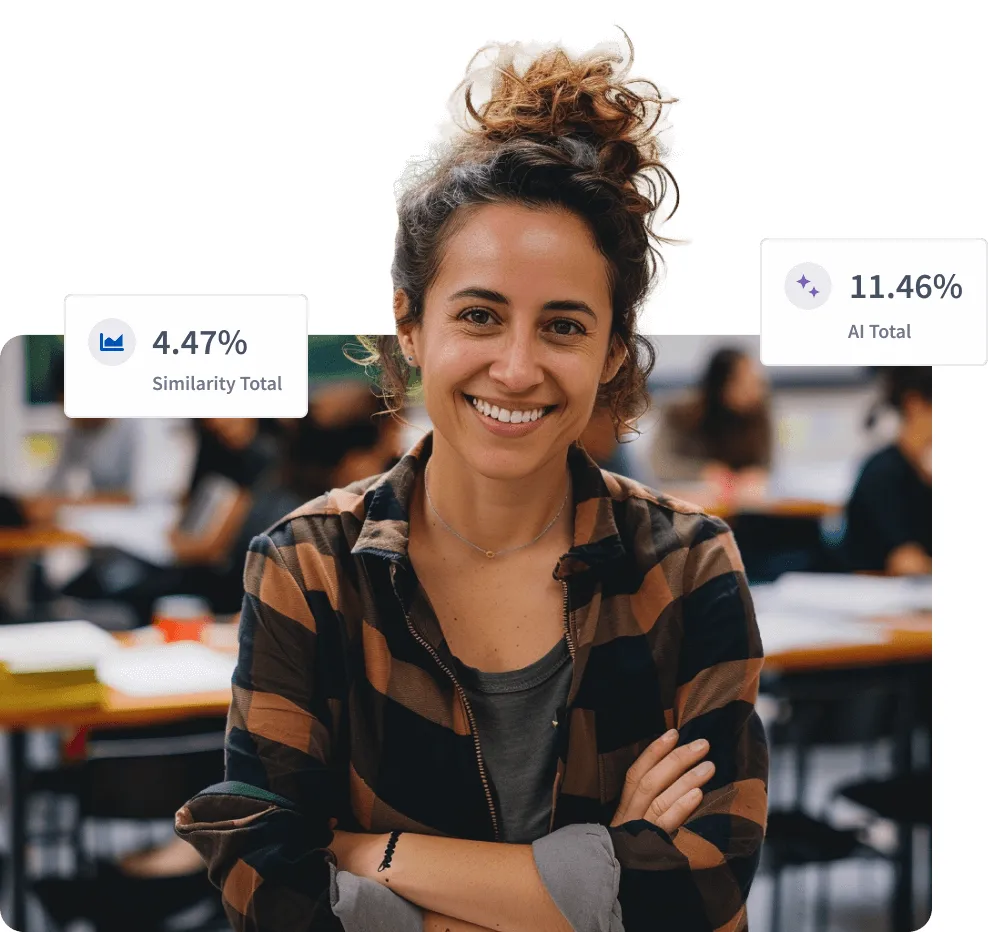
Academic integrity is a cornerstone of education in the United States. Whether you are a college student, graduate researcher, educator, or international student studying in America, ensuring that your work is original has never been more important. This is where a Turnitin plagiarism checker becomes an essential tool.
A plagiarism checker helps identify matching content within academic databases, websites, journals, and previously submitted papers. By reviewing a similarity report before submission, students can correct citation mistakes, improve paraphrasing, and submit work with greater confidence.
In this guide, we’ll explain how Turnitin plagiarism checks work in the USA, how to interpret similarity scores, and what steps you can take to improve originality in your academic writing.
What Is a Turnitin Plagiarism Checker?
A Turnitin plagiarism checker is an academic integrity tool that compares submitted documents against a vast database of content. The system scans papers and identifies text matches from various sources, generating a similarity report that highlights potential overlaps.
The purpose of plagiarism detection is not simply to catch copied content. Instead, it helps students and educators identify areas where citations may be missing, quotations may be improperly formatted, or paraphrasing may need improvement.
Many colleges and universities across the United States rely on plagiarism detection technology to maintain academic standards and encourage original scholarship.
How Does Turnitin Work in the USA?
When a document is uploaded for analysis, it is compared against multiple content repositories, including:
- Academic journals and publications
- Online websites and digital resources
- Previously submitted student papers
- Research databases
- Institutional archives
After the scan is completed, the system generates a similarity report that identifies matching text and provides links to the original sources.
The report does not automatically determine whether plagiarism has occurred. Instead, it highlights similarities that educators and students can review in context.
For example, a properly cited quotation may appear as a match but would not necessarily constitute plagiarism.
Why U.S. Students Use Turnitin Plagiarism Checks
Students throughout the United States use plagiarism reports for a variety of academic purposes.
College Assignments
Professors frequently require originality reports for essays, research papers, and coursework submissions.
Graduate Research
Master’s and doctoral students often review similarity reports before submitting theses, dissertations, and capstone projects.
Scholarship Applications
Originality is important when preparing personal statements, scholarship essays, and application materials.
Academic Publishing
Researchers use plagiarism checks before submitting manuscripts to journals and conferences.
By reviewing reports early, students can identify issues and make corrections before final submission deadlines.
How to Check Your Turnitin Similarity Score Before Submission
One of the smartest strategies for academic success is reviewing your similarity report before your instructor sees it.
The process typically involves:
- Uploading your document.
- Waiting for the similarity analysis to complete.
- Reviewing highlighted matches.
- Checking all citations and references.
- Revising sections with excessive matching text.
- Generating an updated report if permitted.
Students who take the time to analyze their reports often discover citation mistakes they may have otherwise overlooked.
Understanding Turnitin Similarity Reports
Many students become concerned when they see a similarity percentage. However, understanding how the report works is essential.
A similarity report generally includes:
Similarity Percentage
This indicates the percentage of text that matches sources in the database.
Source Matches
The report identifies where matching content appears online or within academic repositories.
Citation Review
Properly cited material may still appear in the report.
Match Breakdown
Students can examine individual matches to determine whether revisions are needed.
It is important to remember that a similarity score alone does not determine whether a paper contains plagiarism.
What Is a Good Turnitin Similarity Score?
There is no universal “perfect” similarity percentage. Acceptable scores often depend on institutional guidelines and assignment requirements.
0–10% Similarity
Generally considered very low and often indicates strong originality.
10–20% Similarity
Common for academic papers that include properly cited sources and quotations.
20–30% Similarity
May require closer review to ensure all matches are appropriately cited.
Above 30% Similarity
Often prompts additional examination and revision before submission.
The most important factor is understanding where the similarities originate and whether they are properly attributed.
Common Reasons for High Similarity Scores
Students are often surprised to discover that high similarity scores do not always result from intentional copying.
Common causes include:
Missing Citations
Failing to cite a source correctly can increase similarity percentages.
Excessive Quotations
Using too many direct quotes may generate numerous matches.
Poor Paraphrasing
Simply changing a few words from the original text is not sufficient paraphrasing.
Reused Academic Work
Submitting previously submitted assignments can create self-matching issues.
Reference Formatting Errors
Incorrect citation styles can sometimes contribute to report flags.
Understanding these causes can help students reduce similarity scores while maintaining academic integrity.
How to Reduce Similarity Without Changing Your Meaning
Reducing similarity is not about disguising copied content. Instead, it involves improving the originality and clarity of your writing.
Here are several effective strategies:
Strengthen Your Paraphrasing
Read the source carefully and explain the idea in your own words and structure.
Use Proper Citations
Follow APA, MLA, Chicago, or your institution’s preferred citation format.
Limit Direct Quotes
Use quotations only when the original wording is essential.
Add Original Analysis
Incorporate your own interpretations, examples, and critical thinking.
Verify References
Ensure every borrowed idea is properly acknowledged.
These techniques improve both originality and overall writing quality.
Turnitin AI Detection vs. Plagiarism Detection
Many students confuse AI detection with plagiarism detection, but they serve different purposes.
Plagiarism Detection
Plagiarism detection compares submitted text against existing sources and identifies matching content.
AI Detection
AI detection evaluates writing patterns that may indicate machine-generated text.
A document can have:
- A low similarity score and still trigger AI concerns.
- A high similarity score while containing no AI-generated content.
Understanding this distinction helps students interpret academic integrity reports more accurately.
Benefits of Using a Turnitin Plagiarism Checker in the USA
There are numerous advantages to reviewing similarity reports before submission.
Improves Academic Confidence
Students submit assignments knowing their citations have been reviewed.
Supports Academic Integrity
Original work strengthens credibility and learning outcomes.
Identifies Citation Errors
Reports help locate missing references and formatting issues.
Enhances Writing Skills
Students learn better paraphrasing and source integration techniques.
Reduces Academic Risk
Checking originality before submission can prevent avoidable academic complications.
These benefits make plagiarism checking a valuable part of the writing process.
Who Can Benefit from Turnitin Checks?
Plagiarism reports are useful for a wide range of academic users.
Undergraduate Students
Students can verify originality before submitting coursework.
Graduate Students
Advanced researchers often use similarity reports for theses and dissertations.
Researchers
Academic researchers can review manuscripts before publication.
Professors and Educators
Faculty members use reports to support academic integrity initiatives.
International Students Studying in the USA
Students adapting to American academic standards can benefit from additional citation guidance.
Regardless of academic level, originality checks help improve the quality of written work.
Common Turnitin Report Errors and How to Fix Them
Occasionally, students encounter report issues that require attention.
Large Bibliography Matches
Reference lists often match existing sources. Review exclusion settings if available.
Quotation Flags
Ensure all direct quotations use proper formatting and citation.
Self-Matching Content
Avoid reusing previously submitted work without instructor approval.
Citation Omissions
Double-check in-text citations and reference entries.
Formatting Problems
Verify that citations comply with the required style guide.
Addressing these issues can significantly improve report accuracy.
Tips for Submitting Original Academic Work
Follow these best practices to maintain originality throughout your academic career:
- Start assignments early.
- Keep detailed research notes.
- Track all sources during research.
- Use citation management tools.
- Review similarity reports before submission.
- Develop strong paraphrasing skills.
- Include your own analysis and conclusions.
- Proofread all references carefully.
Consistent application of these habits can strengthen academic writing and reduce plagiarism concerns.
Frequently Asked Questions About Turnitin Plagiarism Checks
Can students access Turnitin directly in the USA?
Access often depends on institutional licensing. Many students use the platform through their schools or universities.
What percentage is acceptable on Turnitin?
Acceptable percentages vary by institution and assignment type. The context of the matches matters more than the number itself.
Does Turnitin detect AI-generated content?
AI detection and plagiarism detection are separate functions designed to evaluate different aspects of submitted work.
Is Turnitin 100% accurate?
No plagiarism detection system is perfect. Reports should always be interpreted by reviewing the highlighted matches.
How long does it take to generate a report?
Most reports are generated within minutes, although processing times may vary.
Can Turnitin detect paraphrased content?
The system may identify closely paraphrased passages that remain substantially similar to source material.
Does Turnitin compare papers with previous student submissions?
Yes. Submitted documents may be compared against institutional and student paper repositories.
What should I do if my similarity score is too high?
Review the report carefully, improve citations, strengthen paraphrasing, and revise matching sections where necessary.
Why Choose HumanfyAI for Similarity Report Assistance?
Understanding a similarity report can sometimes be confusing, especially for students facing tight deadlines. HumanfyAI helps students better understand originality reports, improve paraphrasing techniques, strengthen citations, and prepare academic work that meets institutional standards.
Whether you’re reviewing an essay, dissertation, research paper, or scholarship application, HumanfyAI provides guidance designed to support academic integrity and writing excellence.
Get Your AI & Plagiarism Report Today
A plagiarism checker is more than a compliance tool—it is an opportunity to improve your writing, strengthen citations, and submit work with confidence. By understanding similarity reports and applying best practices, students can reduce academic risks while developing stronger research and writing skills.
If you’re preparing an assignment, thesis, dissertation, or research paper, reviewing your originality report before submission is one of the smartest steps you can take toward academic success.
Beat Plagiarism & AI Detectors with Confidence
Worried about plagiarism scores or AI detection flags? Get Plagiarism reports, expert humanization, and original papers written from scratch — all in one place and before your deadline.
100% Confidential • Turnaround as fast as 3 hours • Money-back guarantee